❄️💧 Melting Matters: Exploring Temperature and Chang
Sep30th
🧪 Starlings Become Scientists!
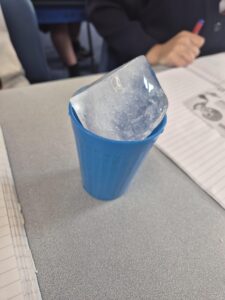
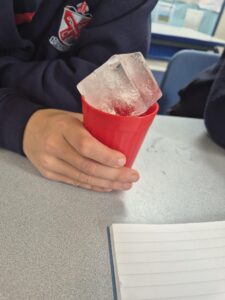
This week, Starlings class became scientists as we explored how water temperature affects the speed at which ice melts. The children enjoyed making predictions, carrying out the experiment and discussing their results together. Through careful observation and teamwork, they discovered that warmer water caused the ice to melt more quickly, helping them understand how temperature can affect materials and change.
Mrs Martin said,“I was so impressed with the children’s scientific thinking and enthusiasm during our investigation. They made sensible predictions, observed carefully and used their results to explain what they had discovered. It was wonderful to see such curiosity and teamwork in action.”
Investigations like this help children develop important skills such as questioning, observing and drawing conclusions from evidence. These are all key parts of our science curriculum and support our school vision to Love, Learn, Shine. The children showed a love of learning through their curiosity, learned by testing their ideas and shone through their excellent discussions and collaboration.
🏡 Follow-up Ideas for Home
Why not continue the scientific learning at home by trying one of these simple activities?
Place ice cubes in different locations around your home and predict which will melt first.
Time how long it takes an ice cube to melt indoors compared with outdoors.
Investigate which materials might help keep an ice cube cold for the longest time by wrapping it in different fabrics or containers.
Talk about where we see melting and freezing happening in everyday life.
Encourage your child to make predictions before testing their ideas, just like a real scientist!
We are very proud of the fantastic scientific enquiry skills the children demonstrated this week. Well done, Starlings! 🌟