📚 Inspired by Stories: Sparrows Class Explore Big Journeys ✏️
Feb27th
✨ Sparrows Class Bring “My Name Is Not Refugee” to Life Through Writing
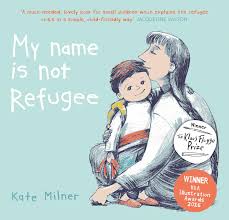
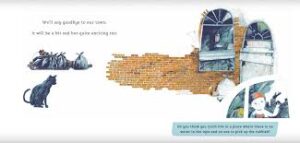
This week, Sparrows Class explored the beautifully illustrated and thought‑provoking book My Name Is Not Refugee by Kate Milner. The story follows a young child who must leave home with a parent and face a long journey filled with mixed emotions—sadness, excitement, curiosity and moments of hope.
The book gently invites children to imagine what they would think, feel and notice along such a journey. It gave our children a powerful starting point to write with empathy, imagination and curiosity.
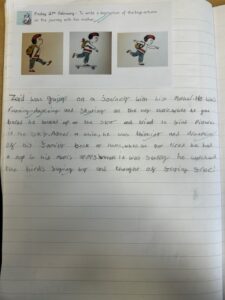
To help the children step into the character’s world, they studied action pictures and described what the boy might do on his journey. The writing sample in the photo shows wonderful detail—from watching the sky to spotting birds—full of movement and thoughtful ideas.
Miss Corrigan shared:
“The children amazed me today with their thoughtful and beautifully structured writing. Their wonder and imagination really shone through.”
This learning connects closely with our school vision of Love, Learn, Shine:
Love – understanding others’ experiences and developing empathy
Learn – practising rich vocabulary and descriptive skills
Shine – celebrating creativity and personal voice
📚 A Little More About the Book
My Name Is Not Refugee helps young readers explore the idea of leaving home and starting somewhere new. It gently encourages children to ask questions, think deeply, and imagine what challenges and hopes someone might carry with them on a long journey. It’s a story full of heart, perfectly written for young minds.
🖊 Helpful Link for Writing Practice at Home
BBC Bitesize – Year 2 English Writing
👉 https: www.bbc.co.uk/bitesize
(Great for sentence work, adjectives, and structuring ideas.)
🏡 Follow‑Up Ideas to Try at Home
Here are a few simple ways families can build on this learning:
Talk together about journeys you’ve made as a family—what do you remember seeing along the way?
Create a “journey story” using toys or household objects as characters and landmarks.
Look at maps and let your child imagine a route from one place to another—what might they notice on the way?
Write a postcard from an imaginary adventure.
Draw a feelings map showing how someone might feel at different stages of a big journey.
These small activities help strengthen vocabulary, empathy and storytelling—skills that help our children Love, Learn and Shine every day.